What Is SSL Inspection? How It Works and Risks Explained
SSL inspection is a very common practice in high-risk departments where sensitive data runs the risk of being compromised. On the other hand, SSL inspection can also introduce a privacy vulnerability, so you may be wondering if it’s worth it.
In this guide, you’ll learn all about SSL inspection – what it is, how it works, its benefits and risks, and the key cybersecurity factors you should consider.
Table of Contents
What Is SSL Inspection?
Secure Sockets Layer (SSL) inspection is a security process used to detect malicious traffic on a network. It allows organizations to monitor and control encrypted traffic, helping to detect any malware or harmful content hidden inside HTTPS connections.
It’s also known as Transport Layer Security (TLS) inspection among those who prefer protocol accuracy. The TLS cryptographic protocol replaced the SSL protocol after its introduction in 19991, bringing improvements and mitigating vulnerabilities. Over time, the term “SSL inspection” prevailed and is the most common term used in the network industry, despite the fact that most modern networks use the TLS protocol.
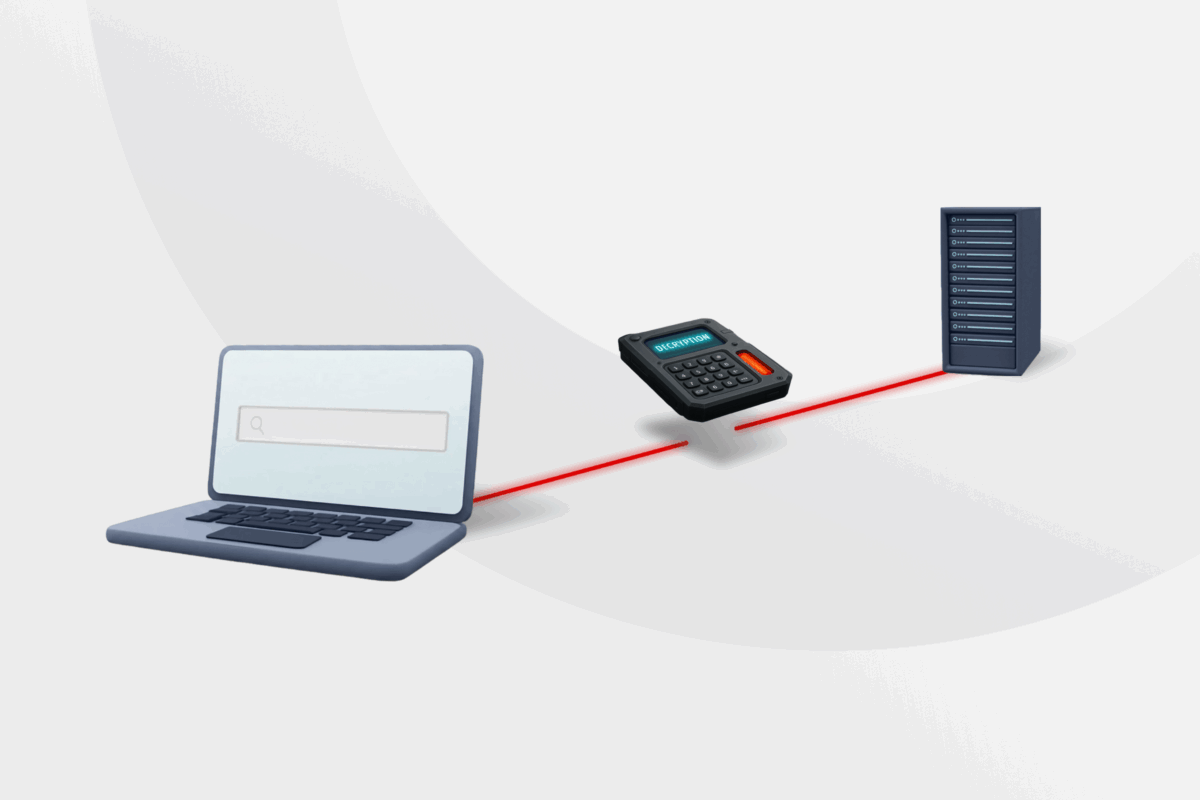
The term “HTTPS inspection” is also used to refer to the same process, as the SSL inspection is usually applied to HTTPS traffic. The SSL or TLS protocol is a security layer used by HTTPS for communication encryption. In most cases involving normal HTTPS protocol, only the client and the destination server can read the traffic. But with SSL inspection, a security device intervenes in the middle to decrypt the traffic before it reaches its destination.
Why Is SSL Inspection Important?
There are multiple reasons why network managers perform SSL inspection. HTTPS encrypts about 95% of web traffic2, and while it may help protect your connection and personal information, it can also hide malicious data.
These are the main reasons why you may need SSL inspection:
- Malware detection: Many types of malware, such as Trojans, ransomware, and Remote Access Trojans (RATs), can hide inside encrypted connections.3 Through SSL inspection, organizations can detect and mitigate these threats.
- Data loss prevention (DLP): SSL inspection can help detect if sensitive data is leaving the network. Organizations can prevent users or malicious actors from copying, emailing, or uploading private information to external, unauthorized destinations.
- Filtering or blocking inappropriate content: Sometimes libraries, schools, and other institutions rely on SSL inspection to ensure users follow traffic rules and block inappropriate content on their networks.
- Compliance: SSL inspections are common under strict industry standards and regulations, and noncompliance can have significant consequences.
How Does SSL Packet Inspection Work?
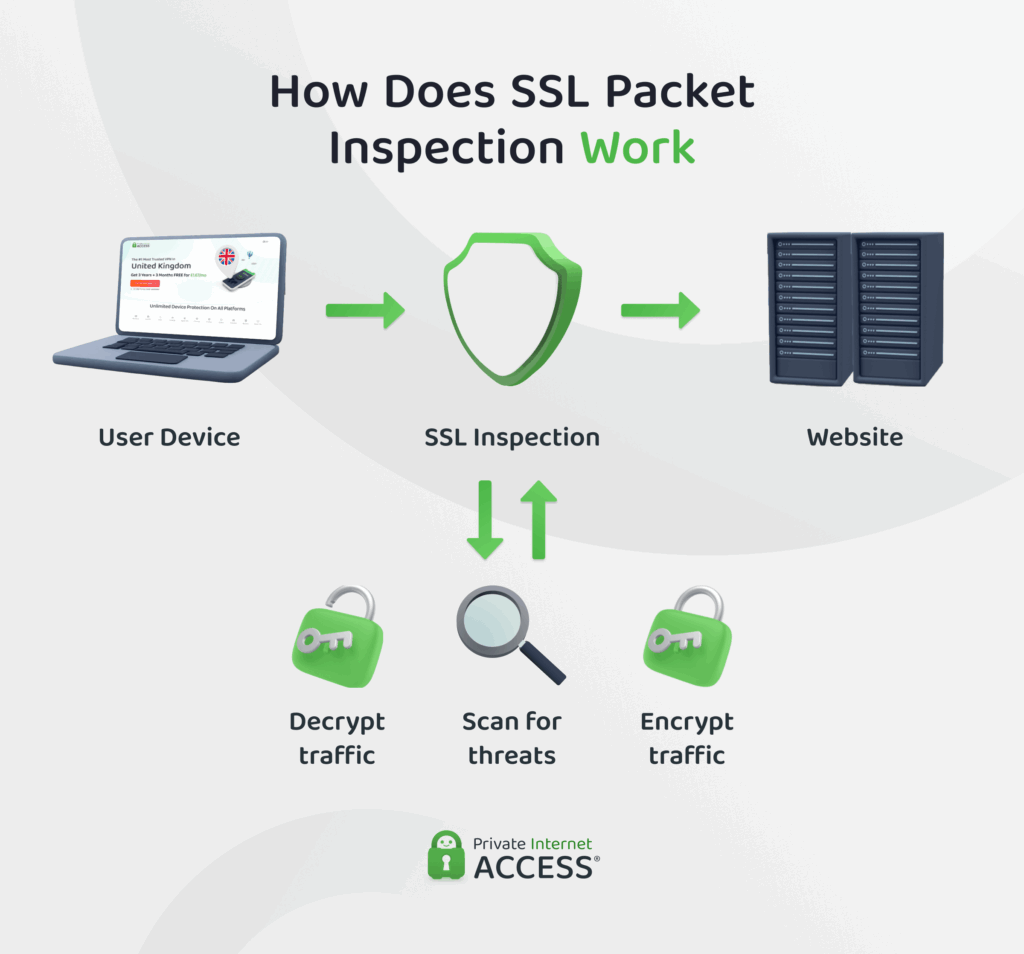
Most SSL inspections are configured and managed by network administrators. The decryption process requires an interception device such as a firewall, proxy, or secure web gateway acting as a trusted middleman. Once the interception device is set up, it can decrypt, inspect, and re-encrypt traffic.
When you try to connect to an HTTPS website during this process, the security device intercepts your traffic before it reaches the website. The interception device creates two TLS sessions, one connecting you to the device and another connecting the device to the destination server, resulting in two encrypted tunnels.
To perform the SSL packet inspection, the interception device presents its certificate – previously set up by the organization – and decrypts traffic using session keys, allowing it to inspect and scan your data packets with security systems. If it detects a threat or a violation, it might block your connection, quarantine the file, or generate an alert. If it all looks good, it will re-encrypt the traffic and send it through the second tunnel to its destination.
Here’s an overview of the process:
- The interceptor establishes a connection with the web server.
- The interceptor establishes a separate, secure connection with your browser.
- The interceptor decrypts your encrypted HTTPS traffic.
- The interception device inspects the data for threats or policy violations.
- Depending on the findings, it will:
- Block the traffic or send alerts.
- Re-encrypt the traffic and forward it to its destination.
How To Tell if Your Network Is Using SSL Inspection
Although there can be subtle signs that your traffic is being intercepted, such as a slower connection or unexpected security messages, the best and most reliable way to detect SSL interception is through certificate checks.
To verify certificates, click the padlock icon in your browser’s address bar and check the certificate issuer. It should be a certificate authority (CA) such as Let’s Encrypt, GlobalSign, Sectigo, or GoDaddy. If you see an internal or unfamiliar issuer, your connection might be under SSL inspection.
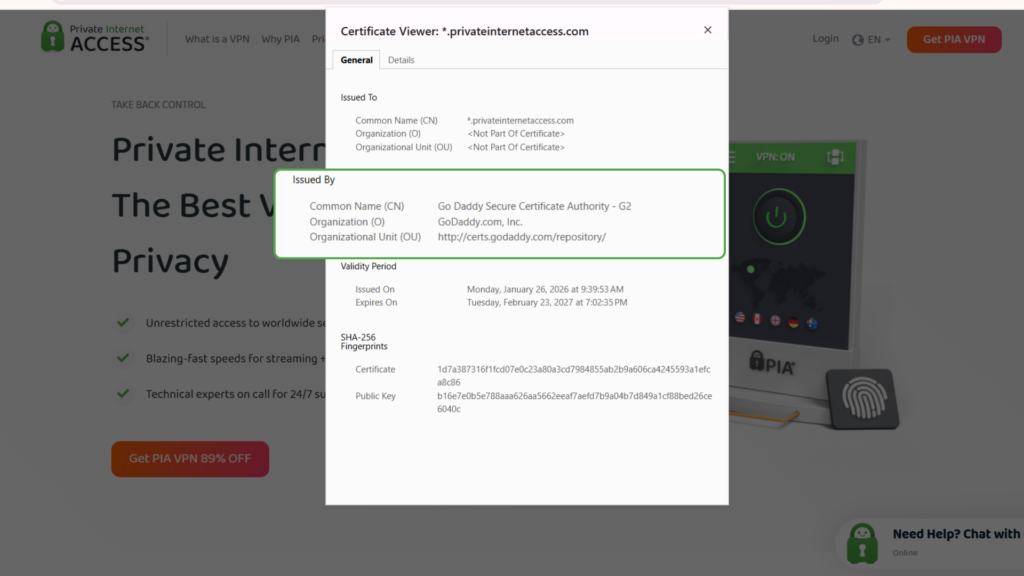
If you are using a company-owned device, it may have a custom root certificate installed for SSL inspection. You can often detect this by checking the list of trusted root certificates on the device. However, you might not always be able to do this if you don’t have administrator privileges.
Benefits of SSL Inspection
Many security experts recommend SSL inspection to protect the network and maintain effective security controls, especially in environments that handle sensitive data or face frequent high-risk activity. Financial institutions or organizations that handle sensitive data are among those that could benefit the most from this practice.
- Stronger protection against modern threats: Now that most web traffic is encrypted, malicious actors have found new ways to hide malware. SSL inspection adds a layer of protection against new sophisticated threats.
- Visibility into encrypted traffic: SSL inspections allow network administrators to monitor traffic and have more control over data flow. It’s another important measure for data loss prevention.
- Better policy enforcement: These inspections can help organizations comply with regulations in controlled environments or industries with more data control requirements.
Risks of SSL Inspection
SSL inspection is usually considered a good security measure, but it does have some drawbacks. Experts even debate whether the practice is necessary in certain scenarios, citing tradeoffs between security and privacy.4 These are the main risks of SSL inspection:
- Less privacy: By allowing organizations to perform SSL inspection, those managing the process can potentially see your private data. If not handled properly, it could lead to privacy violations. Other users might also lose trust if they find out their traffic is being inspected without permission.
- Reduced HTTPS protection: If it’s performed poorly, SSL inspection can weaken HTTPS protections and risk the overall safety of users’ data. Organizations using outdated certificates or failing to implement basic features and the latest security protocols can severely affect HTTPS, leaving user data vulnerable to cyberattacks in some cases.
- Certain websites, apps, and devices may break: After introducing SSL inspection, certain certificates and connections might break, causing software interruption and connection failures. Some applications may use certificate pinning to prevent SSL inspections5 or proprietary encryption methods that aren’t compatible with the procedure.
FAQ
What is SSL or TLS inspection?
SSL (or TLS) inspection is a security process used to detect malicious traffic within an encrypted connection. Through this process, organizations can monitor encrypted traffic to and from their network and use security systems to block or quarantine threats.
How does SSL traffic inspection work?
Network managers set up an interception device, usually a proxy or a firewall, which acts as a middleman in your encrypted connection. It decrypts the traffic, analyzes the data, re-encrypts it, and sends it to its destination.
What is SSL traffic inspection used for?
SSL traffic inspection detects malware and other threats, filters or blocks inappropriate content, prevents data loss, and helps meet compliance standards. It’s a security measure especially recommended for networks that carry sensitive data or need strict compliance.
What is an SSL inspector device?
It’s a special network security tool capable of decrypting, inspecting, and re-encrypting traffic in real time during SSL inspections. An SSL inspector device could be a firewall, a secure web gateway, a proxy, or a dedicated security appliance.
How does SSL inspection affect privacy and security?
Organizations performing the inspection will be able to access and manage your private data. If the technique is not performed correctly with the right security measures and updated protocols and tools, malicious actors could gain access or it could weaken the network’s security.
Is an SSL inspection worth it?
SSL inspection is well worth it when it’s done using modern best practices and strong, up-to-date security measures. It can be especially useful for networks that handle sensitive data and are frequent targets of attacks, but it may not be necessary in small, controlled environments. A good network manager should weigh the pros and cons carefully.
Can VPN encryption prevent SSL inspection on a network?
It depends on how the VPN and the network are configured. If the network allows VPN connections, a VPN with strong encryption may bypass SSL inspection. If the network has firewalls that block VPN services or you’re using your company’s VPN service, then the inspection may still occur.
References:
