Web2 vs. Web3: Key Differences and Future Outlook
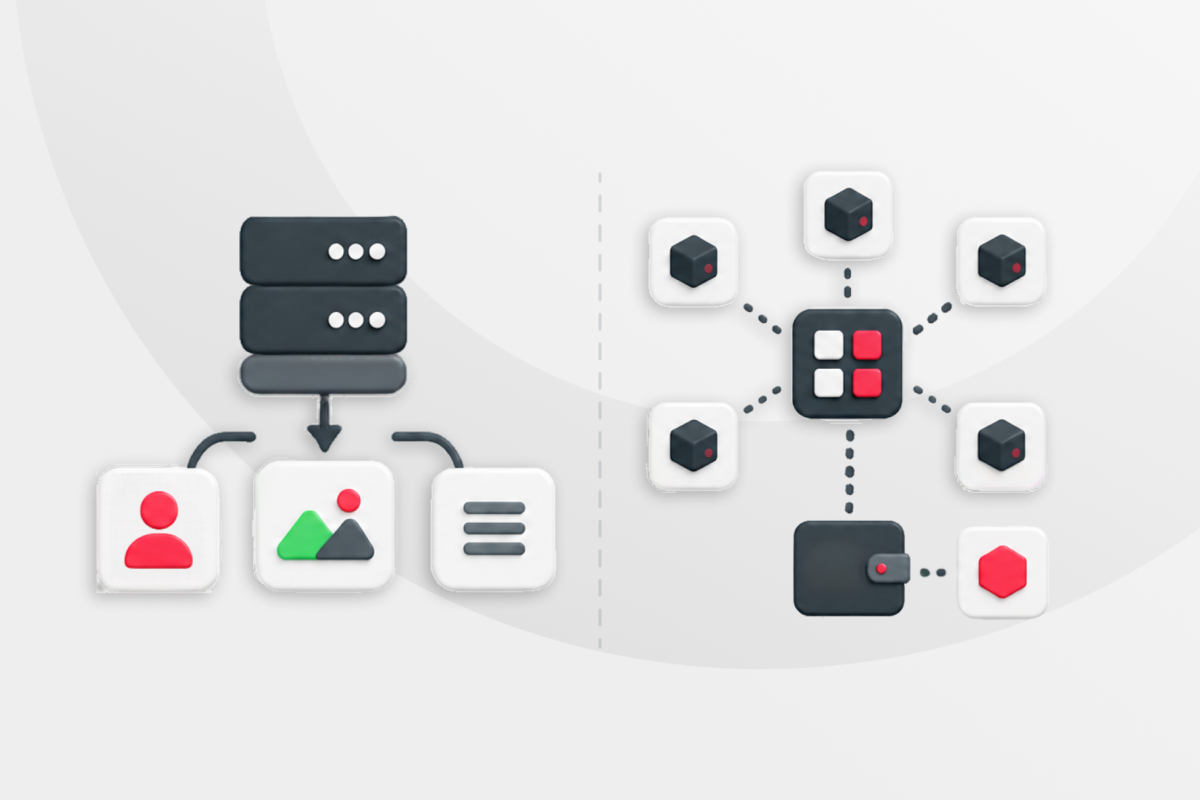
Web2 and Web3 are different approaches to building and running online services. This guide explains what they are, how they differ in practice, and what those differences mean for you.
Web1 vs. Web2 vs. Web3: At a Glance
Web1, Web2, and Web3 are informal labels for broad shifts in how the web functions and how people use it. They aren’t official versions with fixed release dates, and the boundaries between them are approximate.
| Key features | Web1 | Web2 | Web3 |
| How it works | Mostly static websites and pages published by individual website owners | Interactive services run by centralized service providers and their infrastructure | Applications that use decentralized networks and protocols for some functions |
| User’s role | Mainly consuming published content | Consuming, creating, and interacting with online content and services | Controlling digital assets and participating more directly |
| Who controls the underlying systems | Website owners | Usually the company running the service | Control can be distributed across protocols, networks, and participants |
What Is Web2?
Web2 is the interactive, participatory form of the web behind most online services you use today. Unlike Web1 where users viewed read-only pages, you can post content, make purchases, stream media, or work using web-based apps.
A single organization typically runs a Web2 service and operates and manages both the application and the systems behind it.
What Is Web3?
Web3 is an evolving approach to building web applications that uses decentralized protocols for some tasks a single company or service would otherwise handle. A protocol is a set of rules that defines how a network or service operates.
In practice, this often means using a blockchain to record activity or run part of an application’s logic. Here are a few of its fundamental building blocks:
- Blockchain: A shared digital record kept in sync across many connected computers, called nodes. Nodes follow the same network rules to track what has happened on the blockchain.
- Decentralized applications (dApps): Applications that use a decentralized protocol for part of their functionality.
- Crypto wallet: Software or hardware that manages the cryptographic keys used to interact with blockchain services. It can also approve and sign actions before sending them to the network.
- Smart contract: Code stored on a blockchain that runs according to its predefined rules.
- Token: A digital unit recorded on a blockchain. It can represent value, access to a service, voting rights, or another function the application defines.
Are Web3 and Web 3.0 the Same Thing?
People often use Web3 and Web 3.0 interchangeably to describe the decentralized web movement. Historically, though, Web 3.0 also referred to the Semantic Web.
The Semantic Web focuses on structuring online data so software can understand how information connects across sites. Web3 instead describes a movement built around decentralized participation and control of digital assets.
How Does Web3 Work?
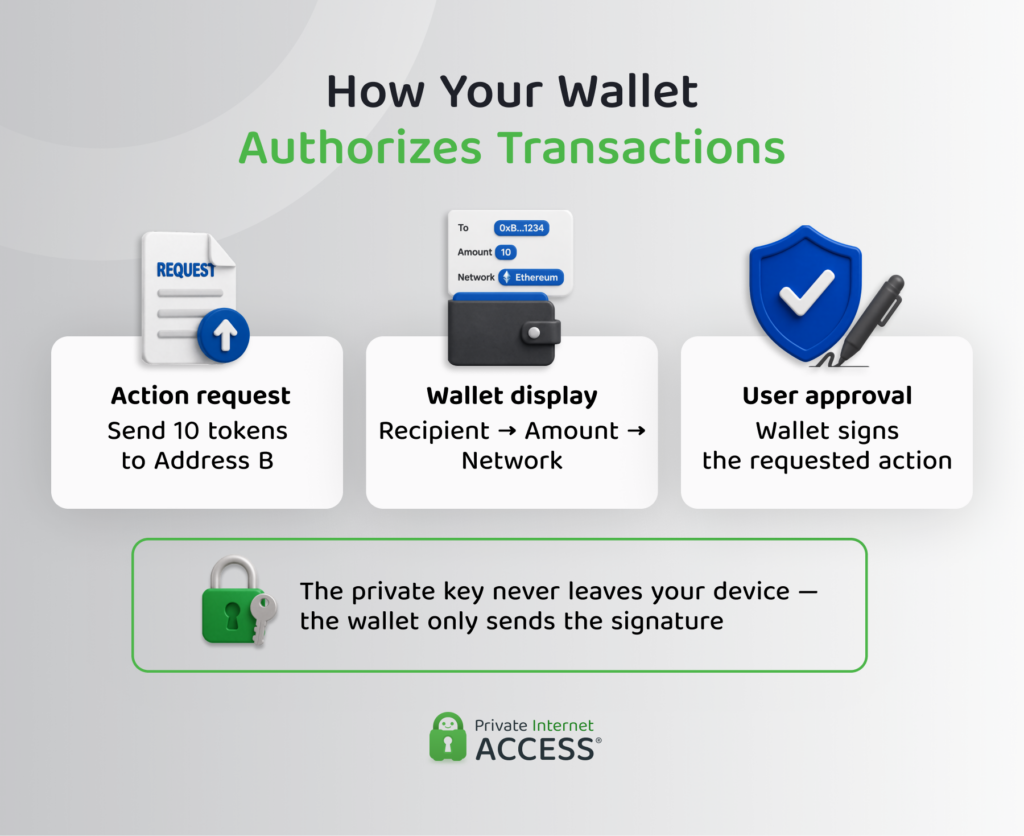
A typical Web3 interaction starts when you do something in a dApp. For example, you might send a token or use a feature that runs through a smart contract.
The dApp prepares the action and sends it to your wallet for approval. If you approve it, the wallet uses your private key to create a digital signature. The private key never leaves the wallet. From there, the process usually works like this:
- The wallet sends the action to the blockchain network. Nodes check whether it follows the network’s rules.
- A smart contract runs if the action triggers one. It carries out the instructions in its code.
- The blockchain records the result. Once the network accepts the action, the updated information becomes part of the blockchain’s shared record.
Web2 vs. Web3: What Are the Key Differences?
The differences below describe common patterns rather than strict rules, so individual services can work differently.
Control and Governance
In Web2, the company running a service usually sets the rules on how the platform works, when to update it, and which policies you must follow. Web3 can spread some of that decision-making across a community.
Some Web3 projects use decentralized autonomous organizations (DAOs), where members vote on proposed changes. Voting can happen on the blockchain, or members can discuss proposals elsewhere before implementing them.
Some DAOs give voting power to people who hold governance tokens, but Web3 doesn’t require this model. A project can still leave much of the control with its developers or a small group of participants.
Data Ownership and Portability
Web2 platforms usually keep account data and digital items inside systems they control. If you buy or create something on one platform, it may only work there unless the service lets you move it elsewhere.
Web3 can give users direct control over certain blockchain-based assets through their cryptographic keys. Shared token standards can also help compatible wallets or apps recognize the same asset.
That doesn’t make every asset portable, though. Another app still needs to support the same blockchain or token standard. Controlling a token also doesn’t mean you own every piece of data an application stores about you.
Identity and Account Recovery
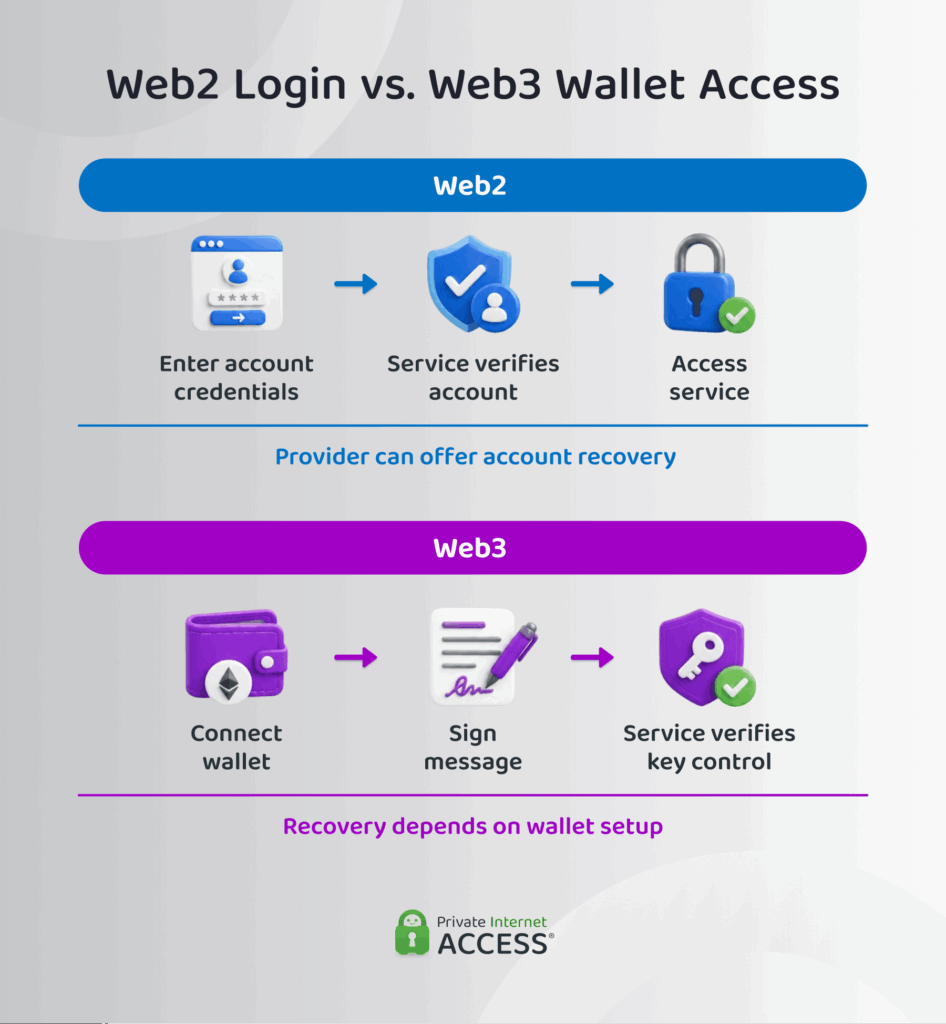
Web2 services usually ask you to sign in with an account. You might use a password or a federated identity that lets you log in through another provider.
Some Web3 services let you sign in with a crypto wallet instead. The service sends a message for your wallet to sign, then verifies the signature against your blockchain address. This can confirm control of the relevant key without creating a blockchain transaction, but it doesn’t verify your real-world identity.
Recovery works differently too. A Web2 service can reset your password because it controls the account system. A self-custodied wallet depends on its own recovery setup. Some wallets use a recovery phrase, while smart contract accounts can support other methods. If no recovery option exists and you lose the required keys, there may be no administrator who can restore access.
Privacy
Web2 services often connect your activity to your account and collect your personal information based on their own data practices. Web3 doesn’t make that activity private. On many public blockchains, anyone can view transactions and follow activity linked to the same wallet address over time.
That makes most wallet addresses pseudonymous rather than anonymous. Your name may not appear on the blockchain, but if someone links an address to your identity, they may also be able to trace the public activity tied to it.
Control of digital assets and privacy are separate issues. Controlling an asset yourself doesn’t make the activity around it private.
Security
Neither model is more secure. They introduce different risks in different places. The service provider handles much of the security for the application’s systems in Web2, but users still need to protect their own accounts and devices.
Web3 also introduces risks when users interact with smart contracts. A user may unknowingly approve a transaction that interacts with malicious or flawed contract code. Even if the user’s private key remains secure, assets can still be lost if the contract they interact with contains a vulnerability or behaves maliciously.
This creates two distinct security concerns: the security of the user’s key and the security of the code they interact with. Keeping a private key safe can’t protect against a vulnerable smart contract, while secure contract code can’t protect assets if an attacker gains control of the user’s key.
Payments
Web2 payments usually pass through services such as banks or payment processors before money moves between a customer and a business.
Web3 applications can transfer blockchain-based assets by updating the blockchain’s shared record. Smart contracts can also enforce rules for a transfer. For example, a contract could release an asset only when a specific condition recorded on the blockchain occurs.
That doesn’t remove every intermediary. Web3 payments may still need an exchange to convert cryptocurrency into conventional money. Other services can still play a role even when the blockchain handles the transfer itself.
Transparency and Verifiability
In Web2, you usually see whatever records the service chooses to show you. You generally can’t inspect the company’s database and verify that its records are correct.
By contrast, a public blockchain used by Web3 applications provides a shared record that can be inspected publicly, although you may need special tools to interpret the raw data.
This means you don’t have to rely on a single company to provide an authoritative record, which helps explain the term “trustless.” In Web3, this translates to reducing the need to trust a particular intermediary for certain tasks, but trust doesn’t completely disappear.
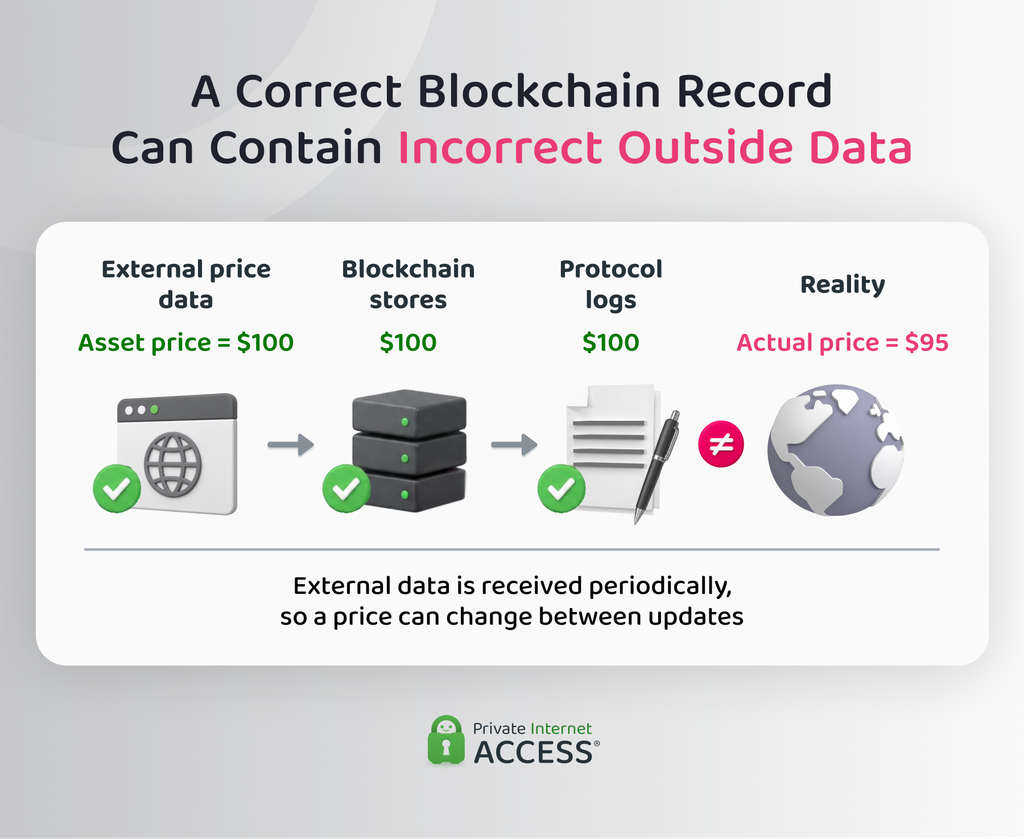
Blockchains also have limits here. They can confirm what the network recorded and whether it followed the protocol’s rules, but they can’t determine whether information from the outside world was accurate. If someone supplies incorrect information to a blockchain, the network can still process and record it correctly.
Performance, Cost, and Scalability
Web2 services can process large amounts of activity using conventional server infrastructure without the need to record every action on a shared blockchain. This can make them easier to scale as demand increases.
A Web3 application that needs to record transactions on a blockchain faces constraints. A transaction may take time to record and the network may charge a transaction fee. Heavy network use can increase confirmation times or raise those fees.
Reads and writes also work differently. Checking existing blockchain data doesn’t have the same network requirements as submitting a transaction that changes it.
Scalability also depends on the network. Some blockchain systems can increase capacity by processing transactions on separate networks and later recording the results on the main blockchain.
Energy use varies and depends on the blockchain’s design. Blockchain technology isn’t inherently energy intensive.
Permissionless Access and Censorship Resistance
A Web2 platform can require you to meet its access rules and suspend or block activity under its policies. In contrast, a public, permissionless Web3 protocol allows all valid transactions without approval from a central operator.
Censorship resistance is a related but distinct concept. It refers to how difficult it is for any single party to stop the network from processing a transaction. When many independent participants share control, it becomes harder for one actor to block activity.
Labeling something as Web3 doesn’t guarantee either property. The actual level of access or censorship resistance depends on the system’s design and how distributed control is in practice.
Will Web3 Replace Web2 or Work Alongside It?
Web3 isn’t a formal upgrade that the internet has to adopt after Web2. The labels describe different approaches to building online services so they can coexist.
Developers can adopt decentralized protocols where they serve a useful purpose, while other services may have no reason to use them. That makes coexistence more realistic than a complete shift from Web2 to Web3.
Why Aren’t Most Web3 Apps Completely Decentralized?
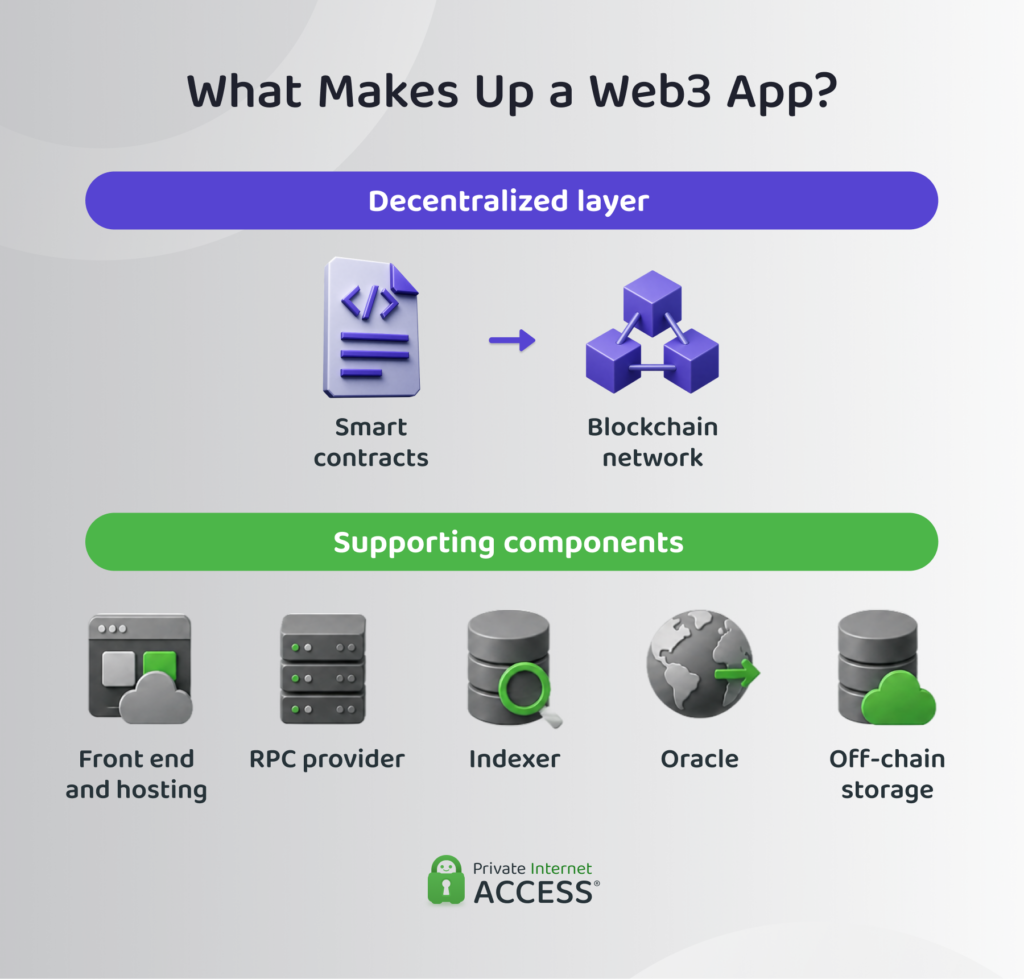
Most Web3 apps rely on some centralized components because using a blockchain for one function doesn’t decentralize the rest of the application. The interface and supporting services may still depend on particular providers, such as:
- Front end and hosting: The website you see and interact with can work like a conventional web app. A company or another provider may host and operate that interface.
- Remote procedure call (RPC) provider: A service that lets a dApp communicate with blockchain nodes and retrieve or submit blockchain data.
- Indexer: Reading raw blockchain data isn’t always practical for searches or complex queries. Indexing services organize that data so an app can retrieve the information it needs more efficiently.
- Oracle: Smart contracts can’t fetch real-world information on their own. Oracles provide external data, such as a price or event result, when a contract needs information from outside the blockchain.
- Off-chain storage: Information apps store outside the blockchain rather than as part of its shared record.
This means decentralization works more like a spectrum than an on/off switch. One dApp might distribute most of its core functions across independent systems, while another decentralizes only its smart contracts.
Does a VPN Work Differently on Web2 and Web3?
No. A VPN encrypts traffic between your device and the VPN server, masking your true IP address in the process. Whether you’re using a Web2 or a Web3 app makes no difference. It doesn’t change what a public blockchain records or make on-chain activity private.
There are also decentralized VPNs that route your traffic through peer-to-peer nodes instead of servers operated by a single company. Their approach doesn’t change the fact that activity recorded on a public blockchain may be visible and traceable.
FAQ
Has Web 3.0 failed?
Not fully, but Web 3.0 in its original Semantic Web form never became the dominant model for the web. It required widespread use of shared data standards and extra work from publishers, and it didn’t gain widespread adoption. Semantic Web technologies are in use today, but not as part of a universally agreed web standard.
What is the difference between Web2 and Web3?
Web2 typically relies on an organization to operate a service and control its underlying systems. Web3 moves some functions to decentralized systems that users can interact with through cryptographic keys. The main difference is therefore where control sits and how much the service depends on a central operator.
What are some Web3 examples?
Examples of Web3 applications include blockchain-based lending services, social networks that use decentralized protocols, and blockchain-based naming or identity systems. In contrast to Web2 applications, these services use decentralized protocols for core functions such as asset transfers, lending, social interactions, or digital identity.
